Coated paper cups are coated with a layer of coating on the inner wall of the paper cup, very smooth, can play the role of water and oil.
Now commonly used is
single-wall coated paper cups, outside a layer of paper, inside a layer of coated paper, is a layer of polyethylene plastic film. While the outer wall is paper, the inner wall of the plastic film is in contact with the food. This material is a safe chemical substance in food processing, which is what we often call plastic.
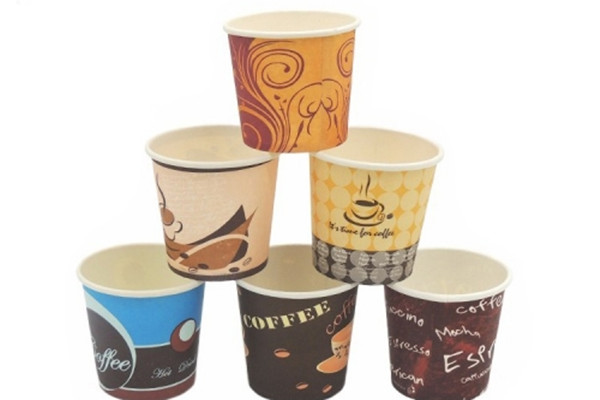 Single-wall and double-wall coated cups
At present, most disposable paper cups on the market are
single-wall coated paper cups, that is, only the inner wall of the paper cup has coated film, and the outer wall does not. Therefore, it is not recommended to use cold drinks as condensation tends to form on the outside of the cup when cold drinks are placed. Condensed water can easily soften the cup body and reduce the stiffness of the cup body. Paper cups tend to distort and cause water to overflow.
Actually, the number of waxed paper cups on the market has dwindled considerably. Most paper cups we see are coated paper cups. If you want a hot drink, you can buy a single-sided coated paper cup. Cold drinks, such as ice cream, have thin layers on the outside and inside.
Material type of coated paper cup
PP(high temperature 170-180℃), PE(high temperature above 130℃), PLA(the latest renewable corn starch extract, easy to degrade, more safe). Polyethylene (PE for short): This material has a tasteless, non-toxic, waxy feel and low water absorption. It is often used as a waterproof material. Its melting point is between 120-140, and the boiling point of water is 100, so it doesn't dissolve in water and is safer to use. The biggest advantage of PE is waterproof, high strength, aging resistance. Is a non-toxic, pollution-free green products.
Polypropylene (PP for short) has good heat resistance, the product can be sterilized at more than 100℃, at 150℃ without external force will not be deformed. Embrittlement temperature is -35℃, below -35℃ will occur embrittlement, cold resistance is not as good as polyethylene. The biggest advantages of PP are non-toxic, tasteless, low density, strength, stiffness, hardness and heat resistance better than general PE, its melting point can be as high as 175℃. Therefore, PP coated products can be heated in the microwave oven.
Polylactic acid (PLA), also known as polylactic acid, belongs to the polyester family. Polylactic acid (PLA) is a polymer obtained by polymerization of lactic acid as the main raw material. Raw materials are plentiful and renewable. Mainly corn, cassava and other raw materials. Poly (lactic acid) is the most ideal green polymer material with pollution-free production process, biodegradable products and natural circulation.
The greatest benefit of
coated paper cups is their water retention, so that the paper cups will not leak or distort when used as cold, hot or warm liquid containers. Therefore, after understanding the temperature of the three coating materials, we know to choose different paper cups in different use scenarios, so as not to bring trouble to our healthy life. Hyde offers PE single-wall and double-wall
coated paper cups, as well as biodegradable PLA coated paper cups. Welcome to consult and order online.
Laura Parsons
Product tester
Explore the skills and knowledge of the paper products industry for you
Click to contact me

 Paper Package
 Paper Package
 Biodegradable Tableware


 4062
4062 11
11



 (Saudi Arabia) Submit Demand 45 Minutes Ago
 (Australia) Submit Demand 25 Minutes Ago
 (United Kingdom) Submit Demand 36 Minutes Ago
 (Sweden) Submit Demand 15 Minutes Ago